Innovative Architect Designs: Unlocking the Benefits of Expert Architecture Services
Innovative architectural concepts serve a critical function in influencing contemporary spaces. By prioritizing sustainability and functionality, building professionals can build settings that resonate with community needs. Blending green materials and intelligent systems optimizes resource consumption while encouraging community engagement. As these innovations progress, they accommodate occupant demands and honor regional heritage. A key inquiry persists: in what ways do these factors combine to redefine our urban landscapes and enhance everyday living?
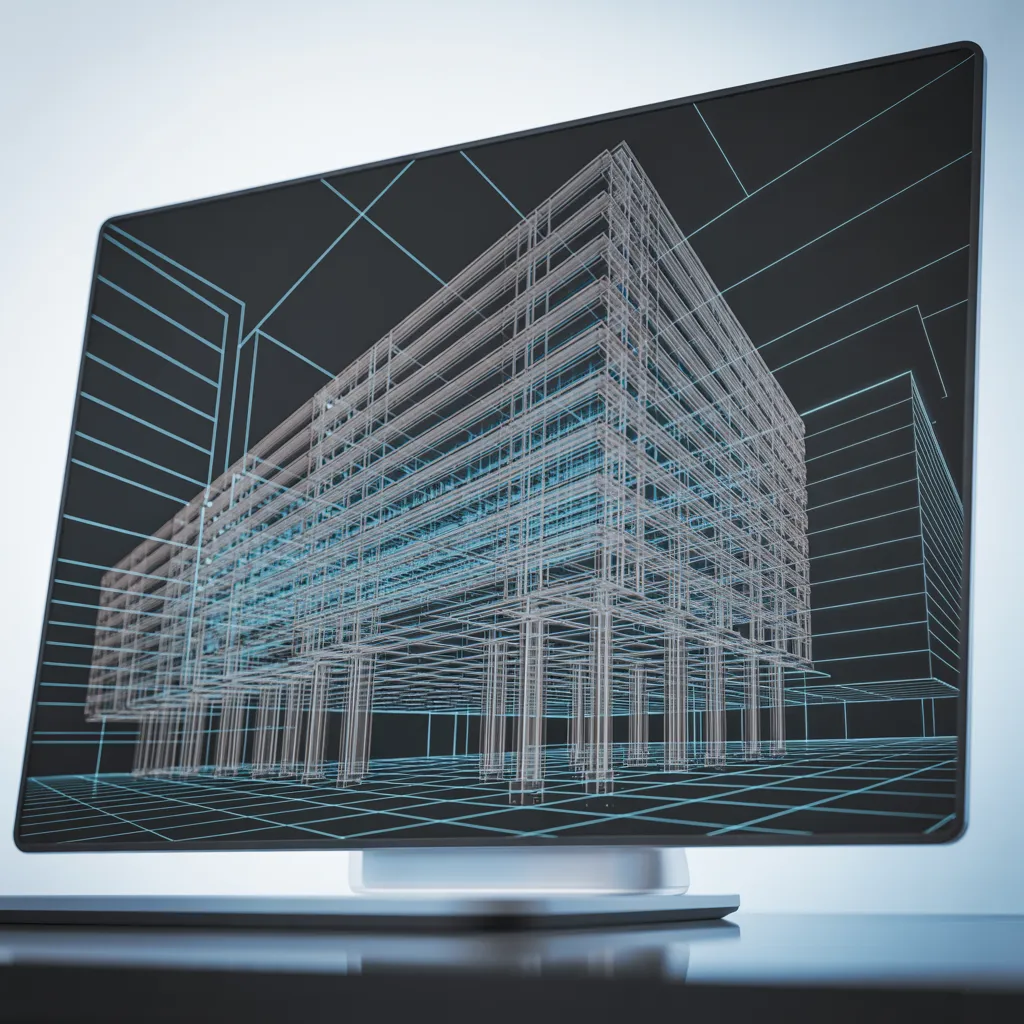
The Importance of Architects in Developing Sustainable Spaces
Architects hold a vital role in the development of green spaces, significantly shaping the environmental outcome of architectural landscapes. Their expertise allows for the inclusion of green building materials, sustainable energy systems, and creative design strategies that decrease the use of resources. By prioritizing sustainability, architects can create structures that minimize greenhouse gas output and strengthen overall energy effectiveness.
Working closely with engineers and sustainability experts is essential in this undertaking, guaranteeing that designs satisfy both visual and practical requirements while following sustainable practices. Furthermore, the surrounding ecosystem is carefully considered by architects, incorporating natural elements and promoting biodiversity that encourage a balanced connection between constructed and natural spaces.
With careful consideration, architects also advocate for the use of sustainable energy options, such as wind or solar energy, which additionally advances sustainable objectives. At its core, their influence stretches well past construction; architects shape the future of urban landscapes by nurturing a focus on responsible design and environmental stewardship.
Key Innovations in Architectural Design That Improve Functionality
Many advancements in building design are redefining the functionality of today's built environments. A notable innovation is the incorporation of intelligent technology, empowering spaces to adjust to the preferences of their occupants through automated lighting, climate control, and security systems. This enhances energy efficiency and user comfort.
Furthermore, modular assembly techniques are rising in adoption, enabling faster assembly and greater flexibility in design. Such constructions can be readily modified or scaled up, making them appropriate for numerous functions.
The concept of biophilic design, that integrates elements of nature into architectural design, supports health and efficiency, nurturing a connection between occupants and the spaces they inhabit.
Furthermore, open floor plans continue to gain popularity, allowing for versatile spaces that can accommodate different activities.
Additionally, eco-friendly materials are being employed not only for their environmental benefits but also for their attractive appearance and resilience, enhancing the overall functionality of modern structures. These innovations collectively contribute to more adaptable and efficient architectural solutions.
The Way Design Brings Communities Together
Planning serves a fundamental purpose in fostering relationships within communities, establishing settings that promote interaction as well as cooperation among community members. Thoughtfully designed recreational areas, open areas, and communal areas function as essential meeting points, fostering public participation and a feeling of community. Design elements such as flexible arrangements and multifunctional spaces facilitate opportunities for neighborhood gatherings and initiatives, improving the general well-being.
Furthermore, designs that incorporate local heritage and history foster a unique identity, enabling residents to develop a stronger connection to their environment. By prioritizing accessibility and inclusivity, architects guarantee that everyone, regardless of age or ability, can take part documentation in community life.
The integration of natural elements, such as parks and leisure spaces, further enriches the community experience, providing residents with a refuge and a place for shared enjoyment. Ultimately, thoughtful architectural design not only shapes physical spaces but also nurtures the relationships that bind communities together.
Enhancing Energy Efficiency With Professional Architecture
A notable change in favor of energy efficiency is transforming the architecture landscape, spurring the development of groundbreaking solutions that lessen environmental consequences. Professional architectural services serve a vital function in this shift by embedding eco-friendly approaches into the design process. These architecture specialists analyze patterns of energy use and employ advanced materials, such as superior insulation systems and thermally efficient windows, to reduce heating and cooling demands.
Moreover, the adoption of clean energy technologies, like geothermal systems and solar panels, not only decreases fossil fuel consumption but also decreases overhead expenses for building owners. Advanced building automation technologies additionally improve energy efficiency, facilitating live tracking and optimization of energy consumption.
Through meticulous planning and innovative design, expert architects design spaces which not only meet strict environmental requirements but also foster long-term sustainability. This emphasis on energy efficiency ultimately contributes to a more sustainable planet and stronger communities, underscoring the vital role of architecture in addressing climate change.
Remarkable Urban Landscape Changes
One notable example involves the rejuvenation of neglected waterfronts into thriving leisure spaces, featuring cultural installations, walking paths, and green parks. These changes do more than improve the scenery, as they also invigorate local economies by bringing in tourists and business opportunities.
Additionally, thoughtful urban planning acknowledges the distinct features of a district, confirming that every transformation honors its heritage and character. This tailored approach encourages a sense of belonging among local inhabitants, inspiring guardianship of the area. At its core, thriving urban landscape projects showcase the power of architectural innovation to redefine city living and advance sustainable urban development.
What's Next for Innovative Architecture?
In what ways can innovative architecture keep pace with and address the changing demands of society? As cities become progressively more complex, architects are called upon to confront significant challenges like sustainability, affordability, and social equity. Emerging technologies, including artificial intelligence and advanced materials, offer new avenues for design, enabling more efficient construction processes and enhanced energy performance.
Additionally, architects are continually working alongside a wide range of stakeholders, from community members to environmental specialists, confirming that blueprints represent the values and needs of the communities they support. This participatory approach promotes resilience, enabling buildings to respond to changing climate conditions and societal demands.
Additionally, the incorporation of principles of biophilic design enhances overall well-being, linking residents to the natural world. As architecture continues to evolve, the focus on creative solutions will continue to be essential, motivating the discipline to design environments that are functional while also being transformative for generations to come.
Answers to Your Most Common Questions
How Do Architects and Engineers Collaborate on Projects?
Architects partner with engineers by combining design principles with technical specifications, maintaining structural stability and operational efficiency. Scheduled meetings promote effective dialogue, allowing both disciplines to address challenges and advance project success through combined expertise and forward-thinking strategies.
What Are the Costs Associated With Hiring an Architect?
The costs associated with hiring an architect commonly consist of design costs, project oversight fees, and possible extra charges for on-site visits or consultations. These fees can fluctuate substantially according to the scope of the project and geographical location.
How Much Time Does the Architectural Design Process Usually Take?
The process of architectural design generally requires a few months, based on project complexity and client requirements. Factors such as permit approvals, design revisions, and coordination with contractors can further impact the total project duration, commonly adding considerable time to the process.
Do Architects Provide Help With Zoning and Permit Applications?
Yes, architects provide assistance with permit and zoning applications. Their professional skills help address intricate zoning regulations and ensures compliance with local codes, making the process more efficient and improving the chances of obtaining necessary approvals for building projects.
What Qualifications Should I Look for in an Architect?
When choosing an architect, one should prioritize qualifications such as relevant experience, proper licensing, educational background, excellent interpersonal and communication skills, and a portfolio that highlights creative thinking and problem-solving capabilities. Specific areas of expertise may also matter based on the nature of the project.